 Skip to content
Why rent a water pump
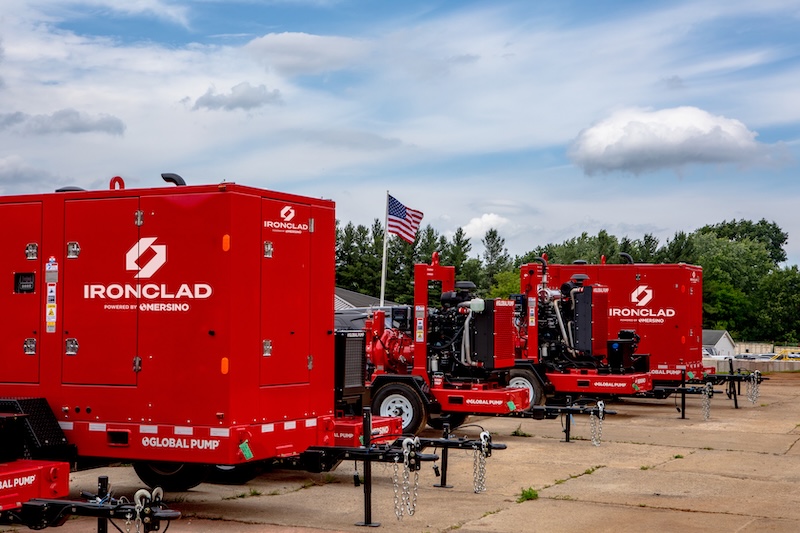
Renting a water pump is the practical choice when a job needs reliable pumping for a limited time, and it’s not likely to be a part of your site's everyday operations. Owning a pump ties up capital, requires maintenance and storage, and can leave you with the wrong size the moment a job changes. A rental gives you the exact pump a project calls for, ready to run, with none of the long-term overhead.
That trade-off is why water pump rental is standard practice on most industrial and construction sites. Pumping demand on these jobs is almost never constant. It spikes during a storm, a shutdown, or a dewatering phase, then falls off once the water is handled. Owning enough pumps to cover the biggest peak means most of them sit idle the rest of the time. Renting keeps that capacity available when a job calls for it and off the books when it does not, which fits work that runs job to job.
Renting gets you the right pump for the job
Pumping needs change with the job, and no single pump covers all of them. Clear water, solids-laden slurry, deep excavations, and long discharge runs each call for a different machine. Renting lets you match the pump to the task rather than forcing one owned unit to be the solution for everything.
A rental fleet usually covers the full range, including submersible pumps for pits and trenches, trash pumps for debris-heavy water, and high-head pumps for pushing water over distance or elevation. Electric submersibles work well on sites with power, while a trash pump built around a powerful diesel engine handles remote or high-volume work. Choosing the right pump is far easier when you can rent exactly what the job requires.
Common jobs that call for a rented water pump
Most pump rentals trace back to the same handful of situations on a job site, and each one points to a different pump.
- Dewatering an excavation or foundation keeps the dig workable and on schedule, usually with a submersible pump dropped straight into the pit. Removing that water also keeps the site within OSHA excavation safety rules.
- Construction site drainage clears standing water after rain so crews can keep working on grade, and discharging that water can fall under construction stormwater rules.
- Bypass pumping routes flow around a line, lift station, or structure during repairs and tie-ins.
- Emergency water removal handles flooding after a storm, a tank failure, or a process upset, often on no notice.
- Tank, sump, and pit cleanouts move water and slurry that a standard pump may not be rated to handle.
These types of jobs share two traits: they are temporary, and they demand a pump sized to that specific need. Renting covers both without leaving you to pump water through a unit built for a different task.
Skip the maintenance, storage, and idle cost
The real cost of owning a pump shows up when it is not running. Maintenance, storage, and depreciation keep adding up whether the unit works every shift that month or none at all. For work that comes and goes, that is capital sitting idle in the yard.
Equipment rental shifts those costs off your books. The provider maintains and inspects each pump, so the unit that arrives is ready to run and backed by service if something goes wrong at the job site. You pay for the pump while you need it and return it when the work is done.
Fast delivery when timing is tight
When an excavation floods, a dewatering deadline looms, or a bypass has to run before the next shift, pumping turns into an immediate problem. Buying a pump on that timeline is rarely realistic, and a unit sitting in storage may not be the size the situation calls for.
A strong rental operation can deliver a pump to your site quickly, often the same day for urgent work, and get it set up and running. Fast dewatering and bypass support is one of the main reasons teams rent rather than wait on a purchase. The sooner a pump reaches the job, the less water damage and lost time you absorb while the problem grows.
Scale up or down as the job changes
Few jobs hold a steady pumping load from start to finish. A routine drawdown needs a single pump, while a major event can call for several units running at once. Owning enough to cover that peak leaves most of the fleet unused the rest of the year.
Renting lets you add or return units as the work demands. When one site needs more capacity, a provider with a deep fleet can supply additional pumps without the delay of sourcing from somewhere else. That flexibility keeps you from paying for equipment you only need once in a while. A rental also lets you swap in a larger or smaller unit mid-project if the flow turns out heavier or lighter than planned, which an owned pump cannot do.
Renting versus buying a water pump
The decision comes down to how often you need the pump. Constant, everyday use on the same application can justify a purchase. Occasional, variable, or project-based pumping almost always favors renting, because you avoid the purchase price, upkeep, and risk of owning a pump that no longer fits the next job.
For most operations, a mix works best. Keep the pumps you run daily, and rent the rest as specific needs come up. When you compare options, ask a provider for a price estimate so you can weigh the rental cost against what ownership would really run over the life of the equipment. Renting also keeps you on current, well-maintained pumps instead of a unit that ages and loses value in your yard.

Where to rent a water pump
The right rental partner does more than hand over equipment. A good one understands your rental needs and answers your questions up front. Look for a deep, well-maintained fleet, fast delivery, and a team that helps you select the correct pump for the job. Clear pricing and real support during the rental matter as much as the daily rate.
IRONCLAD Powered by Mersino rents from a fleet of more than 5,000 proprietary pumps, designed and manufactured in-house, backed by 70-plus branches nationwide and 24/7 response. Ironclad helps you match the pump to the application, delivers it ready to run, and supports the job until the last unit leaves your site. Request a quote or talk with a pump expert to line up the right pump for your next project.