 Skip to content
Dewatering industry insights: applications, mistakes, and trends

Dewatering is the controlled removal of groundwater or surface water from a work area so a project can proceed on dry, stable ground. It is part of a large share of industrial and construction projects, and when planned well, it should barely register. When planned poorly, it stalls schedules, floods excavations, and creates compliance exposure. Knowing where dewatering shows up, what trips teams up, and where groundwater management is heading helps operations plan the next job with fewer surprises. The cost of getting it wrong is rarely just the pump itself. It’s the days lost, the rework, and the penalties that follow a flooded site or a discharge violation.
Common dewatering applications and project types
Dewatering supports almost any job that disturbs ground below the water table or collects standing water. A handful of project types and applications account for most of the demand:
- Deep foundations, basements, and underground structures extend below the water table and need active groundwater control to pour and build.
- Utility, pipeline, and cabling installation requires trenches to be clear of water before crews can enter them.
- Water and wastewater infrastructure such as treatment plants and lift stations is often built in saturated ground.
- Bridges, dams, and similar work sit in or near rivers, lakes, and coastal zones.
- Mining and quarry operations use pit dewatering to keep active faces and haul roads workable.
- Tunneling and shaft work depend on steady groundwater control to hold back inflow.
- Environmental remediation requires capturing and handling contaminated groundwater with care.
- Data centers and other critical facilities protect underground utilities and vaults with ongoing groundwater control.
- Industrial sites run dewatering to manage process water, stormwater, and water that collects in containment areas.
- Flood and storm response calls for rapid dewatering to clear water from facilities, basements, and low-lying equipment areas.
Across all of these, the requirement is the same. The water has to leave the work zone at a controlled rate, cleanly, and on schedule. The method must be matched to volume and water chemistry, ranging across simple sump pumping, engineered wellpoint systems, and deep-well setups that lower the water table across a wide area. Sites with a high water table, heavy seasonal rainfall, or nearby surface water are the most likely to need dewatering, and it should be on the plan from day one.
Common dewatering mistakes companies make
Most dewatering problems trace back to a few recurring errors:
- Teams skip a proper site and groundwater assessment, which leaves them guessing at flow volume and soil behavior.
- Companies undersize the system, and the pumps cannot keep up once the real inflow appears.
- Crews treat discharge as an afterthought, when pumped water is often a regulated discharge that can bring fines or stop-work orders.
- Mobilization happens late, which forces rushed equipment choices and last-minute rental scrambles.
- Plans are built for average conditions instead of the worst day, leaving no margin for a storm or a groundwater surge.
Each of these is avoidable with assessment and planning before the first pump runs. The sites that struggle almost always try to move the water before they take the time to understand it.
How long dewatering preparation takes
Preparation time varies more than most other site activities, because it depends on conditions no two jobs share. A simple trench on a dry site can be ready in days, while a deep foundation in saturated ground, with permitting and a designed wellpoint or deep-well system, can take weeks or longer. Three factors drive most of the timeline:
- Site and groundwater assessment sets the design and cannot be rushed without adding risk.
- Discharge permitting is often the longest single step, and it swings with jurisdiction, season, and whether the site needs a general or individual permit.
- Equipment design, staging, and setup scale with the size and complexity of the system.
The practical takeaway is to start dewatering planning early, because the teams that run into trouble are usually the ones that treated it as a last step. When there is no time to plan, having an emergency response team on call helps bring an unplanned dewatering event under control fast.
Trends shaping groundwater management
Groundwater management is changing as regulations tighten, and technology improves:
- Discharge standards are getting stricter, and more sites are required to monitor and treat water for turbidity and contaminants before it leaves the property.
- Water reuse is rising, as operations capture and treat pumped water for dust control, process use, or reinjection instead of discharging it.
- Remote monitoring and automated controls are spreading, which lets crews track pump performance and water levels without standing on site around the clock.
- Treatment is moving closer to the pump, with filtration and separation staged on site to meet discharge limits.
The common thread is accountability. Operators are increasingly expected to know what they are pumping, where it goes, and that it meets the limits that apply.
Plan your next dewatering project with the right partner
The projects that go smoothly tend to share one habit. They bring in dewatering expertise early, size the system to the real conditions, and plan the discharge before the water starts moving.
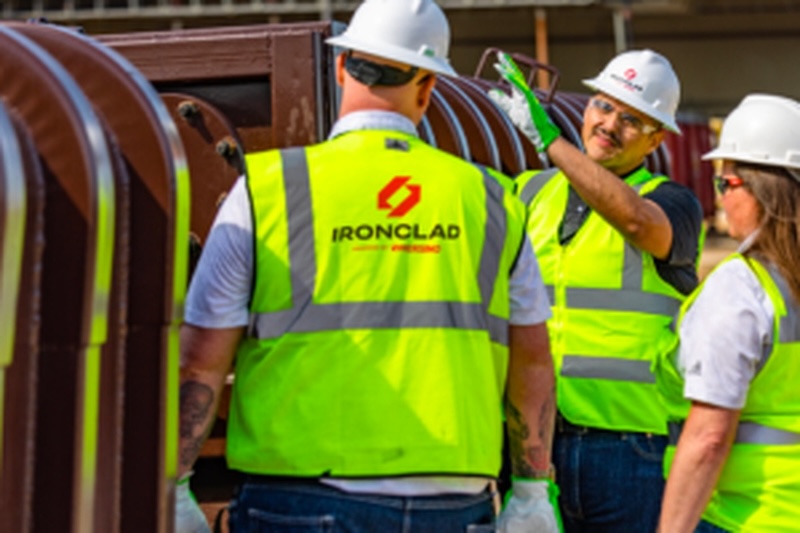
IRONCLAD Powered by Mersino supports dewatering projects nationwide with a deep fleet of pumps, on-site dewatering and filtration systems, and an engineering team that sizes the setup to your site. Ironclad delivers the equipment ready to run and supports the job until the water is handled and the last asset leaves. Request a quote or talk with a dewatering expert to plan your next project.