 Skip to content
Pipeline pigging and how the water is handled
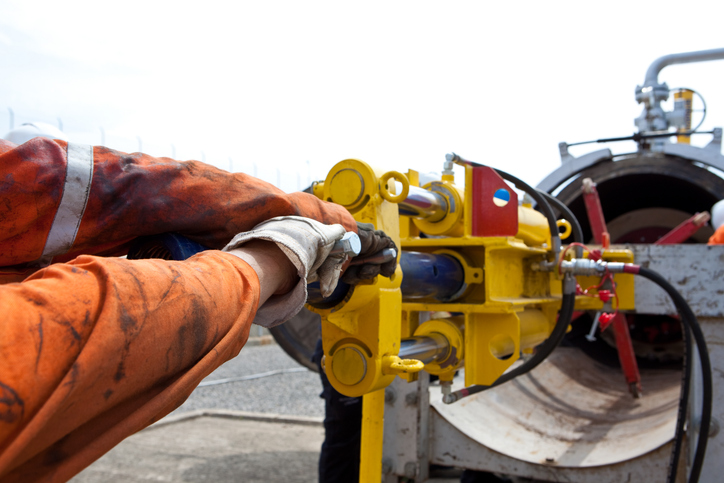
Short answer: Pipeline pigging is when a device is run through a pipeline to clean it, inspect it, or recover product. The liquids and debris this process drives to the receiver have to be contained and handled under specific environmental and safety rules. A clean run still leaves water, residual product, and solids piling up at the pig receiver, and how that waste is handled decides whether the maintenance window stays on schedule.
Pigging is routine on liquid and gas pipeline systems and at terminals, and every pass leaves something behind that needs somewhere to go. Planning the containment before the pig launches keeps the line productive and the pipeline operator compliant.
What a pipeline pig does
A pig is a tool that travels through a pipeline, carried by the product flow from a pig launcher at one end to a pig receiver at the other. What it does on the way depends on the pig type:
- It scrapes wax, scale, and buildup off the pipe wall.
- It pushes liquids and residual product ahead of it toward the receiver.
- It separates one product from another in the line.
- It records pipeline conditions for integrity assessment.
Operators run pigs for routine maintenance, pipeline inspection, and product recovery that would otherwise leave usable product sitting in the line. Modern pigs are built to pass tight bends and long runs, and pig tracking keeps crews on the device for the entire run.
The pig itself is only part of the pigging process. Whatever it dislodges or displaces collects downstream, and that material is the reason containment belongs in the plan from the start. A clean pipeline inspection or cleaning run can still generate a large volume of waste, and the crew has to be ready for it the moment the device reaches the pig receiver.
Common pig types
Most pipeline pigs fall into three working categories, and each one changes what ends up at the receiver.
- Utility and cleaning pigs, like foam pigs, scrape wax, scale, and debris off the pipe wall during routine pipeline cleaning and maintenance.
- Specialty pigs separate different products in the line, remove liquids, or isolate a section for repair and chemical cleaning.
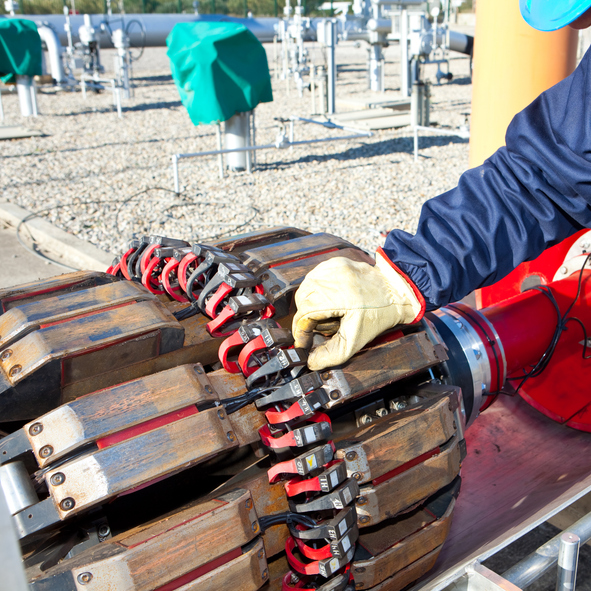
- Smart pigs, also called intelligent pigs or in-line inspection (ILI) tools, measure wall thickness and find corrosion using methods such as magnetic flux leakage.
A single pipeline program often uses several pig types across the year, with pipeline cleaning pigs used on a regular cadence and ILI tools on a longer integrity schedule. The ILI tool a pipeline engineer chooses depends on the pipe, the product, and the integrity data the operator needs.
Where the water and waste come from
Cleaning pigs push a slug of material ahead of them, and that slug is rarely clean water. What reaches the receiver depends on the line:
- On liquid pipelines, the slug carries residual product, hydrocarbons, sludge, scale, rust, and solids built up along the pipe wall.
- On gas pipelines and natural gas systems, line pigging clears accumulated liquids and condensate that gather at low points and cut operational efficiency across the gas industry.
- At terminals, product recovery pigs push remaining product out of the line so it can be captured rather than wasted, which adds recovered liquid to the volume at the receiver.
Debris removal from a long or neglected line can produce far more solid waste than crews expect. In every case, the waste shows up fast and in a concentrated batch, so the receiving end needs capacity ready before the run begins.
How the liquids and solids get handled
Everything the pig moves arrives at the pig receiver, and from there it has to be caught, separated, and routed correctly. Operators stage containment at the receiver so liquids and solids drop into sealed units instead of onto the ground.
Contain it at the receiver
Roll-off boxes and containment tanks hold the recovered volume, keep hydrocarbons and contaminated water off the site, and give crews a controlled way to haul the material for disposal, recycling, or treatment.
Separate liquids from solids
Separating liquids from solids at this stage makes downstream handling cheaper, because solid debris and recovered product follow different disposal paths. Clean separation at the receiver is the difference between a single haul and repeated trips off the site. The right containment keeps the pipeline operator in control of the waste stream, with a clear record of what came out of the line and where it went, which matters when the job is audited later.
Planning containment around the run
Size the containment to the job
Sizing containment to the run is the part crews underestimate. A long line, a heavy scale load, or a product recovery job at a terminal can fill units quickly, and running short mid-job means stopping the work. Matching the number and size of containment units to the expected volume keeps the pigging process moving from launch to receiver without a pause.
Plan access and turnaround
Good planning also accounts for access and turnaround. Units need to sit where the crew can reach them at the pig receiver, and full boxes need to clear the site before the next run. Treating containment as a scheduled part of pigging services, with the right pigging products staged in advance, keeps a maintenance window on time. Operators across the United States plan this way because it protects both the line and the crew.
Why handling matters for pipeline integrity and compliance
Compliance and safety
A pipeline operator answers to environmental and safety regulators for every gallon that comes out of the line. Residual product and contaminated water are regulated waste, and an uncontained spill at the receiver turns a maintenance job into a reportable incident. Proper containment protects the crew, the site, and the operator’s standing against industry standards. It also keeps a routine maintenance job from turning into a lasting environmental problem.
Uptime and integrity
Containing and routing the recovered liquids and solids also protects the schedule. Pipeline pigging exists to keep lines clean, inspectable, and flowing, and the value of a clean line disappears if the waste stage causes delays or cleanup. Treating containment as part of the pigging plan, rather than an afterthought at the receiver, is what keeps a pipeline system in service and supports long-term pipeline integrity.
Containment built for pigging operations
IRONCLAD Powered by Mersino supplies the containment that pipeline pigging operations depend on at the receiver. With one of the largest specialty containment fleets in the United States and coast-to-coast availability, Ironclad delivers roll-off boxes and containment equipment sized to the job. We set them up ready to run and keep pipeline and terminal operators compliant while the line stays in service.
Reach out to Ironclad to plan containment for your next pigging run and get a quote on the right equipment for the job.