 Skip to content
Do You Need a Permit to Discharge Dewatering Water? NPDES and State Permits Explained
Short Answer: In most cases, discharging dewatering water requires a water discharge permit, and the type depends on where the water goes and what it contains. Water sent to surface water or a storm drain falls under the federal NPDES program or its state equivalent. Water sent to a sanitary sewer instead needs authorization from the local treatment works. Contaminated water faces stricter effluent limits and testing wherever it ends up.
Dewatering is routine on construction and industrial sites, where crews pump groundwater or accumulated stormwater out of an excavation, trench, or pit to keep the work area dry and stable. The moment that water leaves the site, it becomes a regulated discharge, and getting the permit wrong stalls the job and exposes the operator to an enforcement action. The destination and the water quality need to be settled before pumping starts.
What counts as a dewatering discharge
The moment dewatering water leaves the site through a pipe or channel, it becomes a point source discharge governed by the Clean Water Act. Which permit applies then depends on two things: where the water is going and what is in it.
The NPDES water discharge permit
The National Pollutant Discharge Elimination System (NPDES) is the federal water discharge permit program. Created by the Clean Water Act in 1972, it regulates any point source that discharges pollutants to surface water. Under Section 402, the EPA and authorized state agencies issue these discharge permits and set the effluent limits a discharge has to meet.
An NPDES permit, or its state equivalent, is generally required when dewatering water reaches surface water directly or through a storm sewer that drains to one. The permit sets the discharge limitations, monitoring, and reporting requirements for the life of the discharge.
General permit vs individual permit
Most dewatering discharges are covered under a general permit, a single pre-written permit for many similar dischargers across a state or region. Coverage comes through a notice of intent rather than a full permit application, which makes it faster to secure for routine or temporary discharge situations.
An individual permit is written for one facility and one discharge. It applies when the discharge does not fit any general permit, when the pollutant load is high, or when the receiving water is sensitive. An individual permit takes longer because the regulatory agency drafts site-specific effluent limitations and issues a public notice before the permit is final.
Construction dewatering and the CGP
On a construction site, dewatering is often folded into the stormwater permit. Where the EPA is the permitting authority, the 2022 Construction General Permit sets specific dewatering requirements, including turbidity monitoring for stormwater discharges to sensitive waters. The EPA has proposed a 2027 CGP to replace it when the 2022 permit expires in February 2027. The CGP applies only where the EPA issues permits directly. Everywhere else, the state runs its own construction stormwater permit with its own dewatering conditions.
State water discharge permits
The NPDES program is federal but mostly administered at the state level. The EPA has authorized 47 states and the U.S. Virgin Islands to run it, which means the permit application, the effluent limits, and any enforcement action come from the state regulatory agency, not the EPA. The EPA still issues permits directly in a few states, including Massachusetts, New Hampshire, and New Mexico, along with most tribal lands.
Many authorized states publish a dedicated dewatering general permit that rolls the requirements into one approval, usually separating clean construction dewatering from contaminated groundwater discharge. Because the specifics vary by state and by the pollutants involved, the controlling document is always the permit issued by the state regulatory agency, not a federal template.

Where the water goes determines the permit
The biggest factor in which water discharge permit applies is the discharge destination.
Surface water or storm drain
Discharge to surface water, or to a storm sewer that drains to it, is a surface water discharge and falls under NPDES or the state equivalent. The water usually has to be treated or filtered to control sediment and turbidity before release, and the permit spells out the effluent limits and monitoring.
Sanitary sewer
Routing dewatering water to a sanitary sewer is the exception to the NPDES rule, because the receiving treatment works already holds its own permit. Instead of an NPDES permit, the operator needs authorization from the local sewer authority or publicly owned treatment works, which sets its own local limits and may require pretreatment before the water enters the municipal wastewater system. That authorization is mandatory, and many utilities cap the volume or require a separate application form.
Reuse or land application
Water reused on site, infiltrated, or sent to land application can avoid an NPDES permit entirely, because there is no point source discharge to surface water. These options are not automatically permit-free. Depending on the state and water quality, land application or groundwater discharge can trigger a separate state permit, and the destination still has to be cleared first.
Clean vs contaminated dewatering water
What is in the water matters as much as where it goes. Uncontaminated groundwater and stormwater are easiest to permit and are what most general dewatering permits cover. When dewatering pulls up fuels, solvents, metals, or volatile organics, the discharge usually needs a contaminated groundwater or remediation permit with tighter effluent limitations and reporting requirements. This is common on remediation sites and at former industrial facilities. An industrial facility may also face categorical pretreatment standards on that discharge. The water has to be treated to meet those limits first, and assuming it is clean without sampling can be a costly mistake. An unexpected contaminant turns a routine temporary discharge into a reportable violation.
How to confirm the permit you need
Settle three questions before the pumps start:
- Where the water will go: surface water, a storm drain, a sanitary sewer, or the ground. That selects the permit type.
- What is in the water: Sample it if there is any chance of contamination from site history, fuels, or chemicals.
- Who the permitting authority is: the state environmental agency in most states, the EPA in a few.
With those answers, the operator matches the discharge to the right general permit, individual permit, or local sewer authorization. Discharging first and sorting the permit out later draws an enforcement action, and Clean Water Act penalties are assessed per day of violation.
Keep the discharge compliant from the start
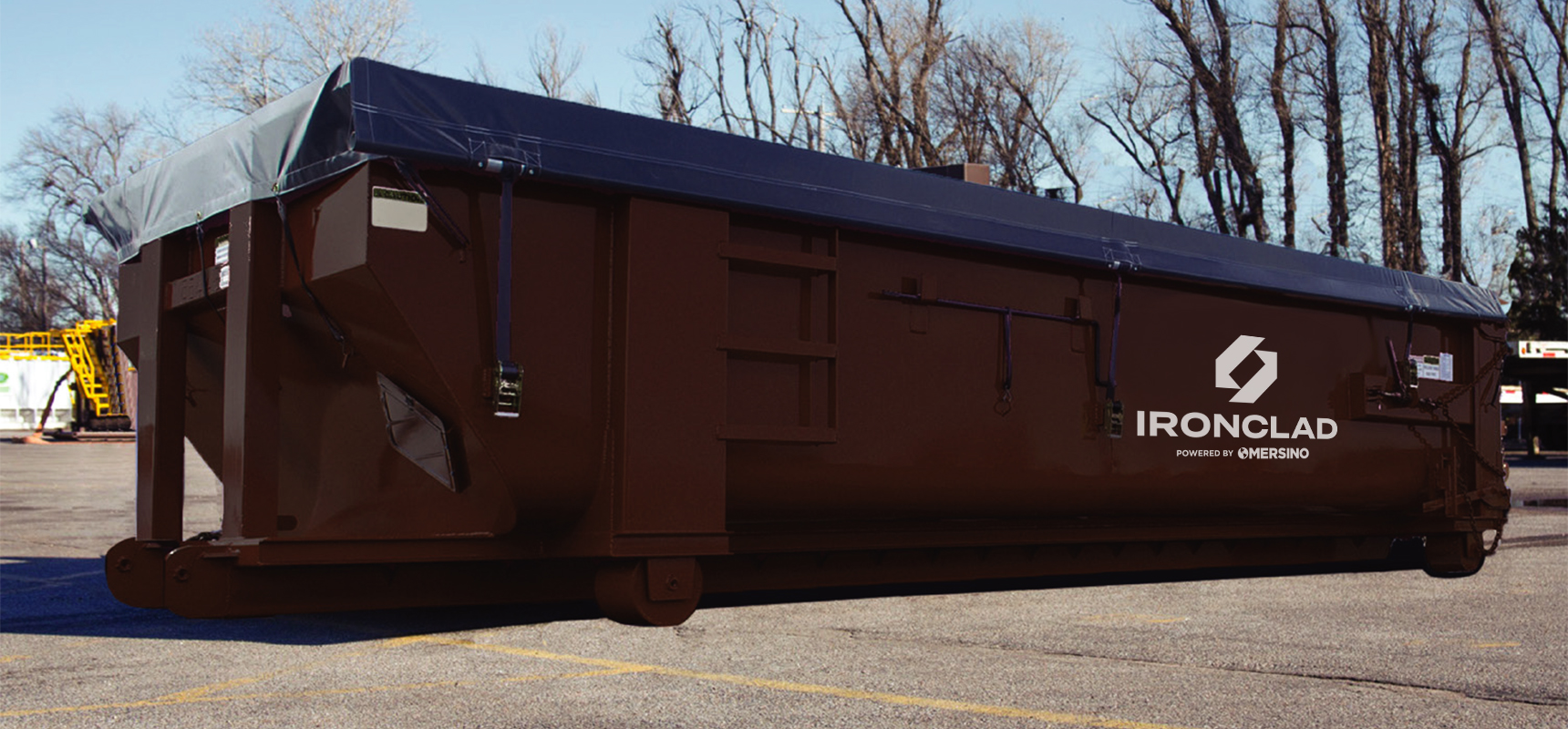
Permitting is only half the job. Once it is in place, the dewatering water still has to be contained, moved, and disposed of in line with the permit. IRONCLAD Powered by Mersino handles that side of the operation. With the largest fleet of waste management rental assets in the U.S., Ironclad brings the tanks, roll-off boxes, and transport to hold and move dewatering water at any scale, with coast-to-coast availability and fast mobilization. Containment, transport, and cleanup are managed with the regulatory awareness these discharges demand, which keeps the job moving and compliant.
Need the right containment in place before dewatering starts? Contact Ironclad to match equipment to your discharge plan.